1. Safety first
The team confirms the vehicle is released, then suits up and secures the area around it.
Lindsay, TX · Cooke County
Dried blood on a seat or vomit in the back of a van in Lindsay? Call (877) 812-4220. Crews clean, disinfect and remove stained upholstery, then leave the interior safe to sit in again.
If anyone is in danger, call 911 first. For a suicide crisis, call or text 988.
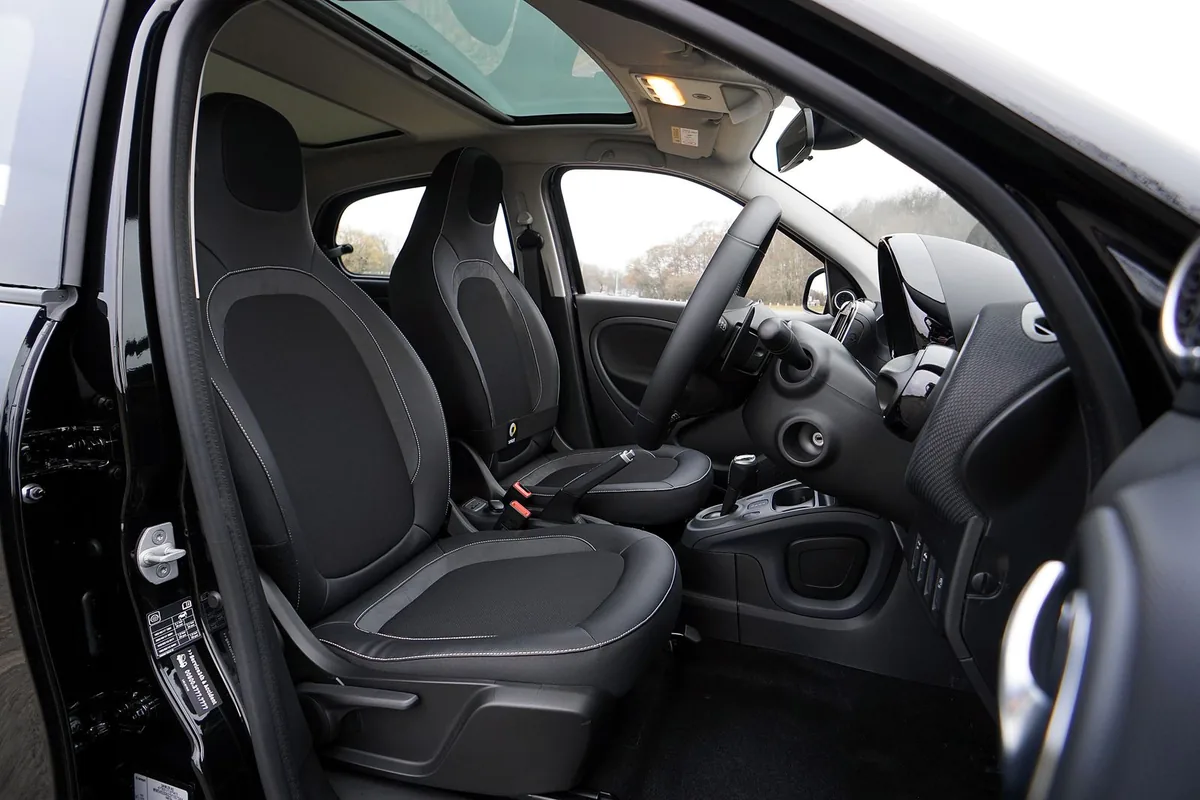
Vehicle biohazard cleanup, whether for one seat or a full cabin, follows the same pattern as work inside a building: protect, remove, disinfect, dispose and check.
For vehicle biohazard cleanup around the clock in Lindsay, Gainesville and nearby towns in Cooke County, call Lindsay Biohazard Cleanup Help. Work on your vehicle follows bloodborne pathogen safety rules from the first step to the last.
With about 43 inches of rain a year in Lindsay, damp air and leaks can feed mold in a contaminated vehicle that was left sitting. Tow yards and body shops in Denton, about 43 minutes from Lindsay, often hold vehicles until they are released and cleaned.
A typical vehicle biohazard cleanup job includes:
The team confirms the vehicle is released, then suits up and secures the area around it.
Cleaners put on PPE, close the doors and windows as needed and protect nearby surfaces and people.
Contaminated materials come out first. The cabin is cleaned and disinfected, and odor is treated at its source.
Disinfectant stays wet on every surface for the label time. The crew then checks the work and takes the waste away.
Most vehicle biohazard cleanup jobs in Lindsay, TX cost between $500 and $5,000, based on published cost guides.
Fleet and rental jobs may involve several vehicles, scheduling around business needs or documentation for a manager, which affects the total.
| Type of job | Typical range |
|---|---|
| Vehicle biohazard cleanup | $500 - $5,000 |
These ranges come from published cost guides (BioCleaners Directory) and are not a quote for Lindsay. Price drivers include type of interior materials, how serious the event was, time since the event, air system decontamination. For a real number, call (877) 812-4220.
A small spill on a hard surface can be cleaned with gloves, eye protection and an EPA-registered disinfectant. Do not do it with an open cut, and do not use the car until fluids that soaked into fabric are removed. For larger spills, call a cleanup team.
Often, yes. Crews can work in a driveway, garage or lot, depending on space, weather and the extent of the contamination. Some vehicles are moved to an enclosed space to keep the work private and contained.
A biohazard car is a vehicle with blood, vomit, urine, feces or other hazardous material inside. It may look only stained, but the fluids can soak into foam and carpet and keep spreading odor and germs.
It refers to a vehicle damaged by a biohazard, such as blood or body fluids, or by a chemical spill. Both kinds of contamination call for protective gear and specialized cleaning. A cleanup team can tell which applies after seeing the vehicle.
Yes. Blood can carry bloodborne pathogens such as hepatitis B and HIV. Dried blood can still be hazardous, and enclosed cabins hold odor. That is why the area is cleaned with protection and disinfected.
It does not cover regular car accidents. If a crime happened in the vehicle, ask the Attorney General's office whether your case qualifies, at (800) 983-9933. Businesses and organizations cannot apply.
Call (877) 812-4220 and describe what is in the vehicle.
Call (877) 812-4220